|
Close Air Support (CAS) runs can be used in a wide range of scenarios, whether it’s bringing down a structure, eliminating a large concentration of hostiles, or supporting ground forces under pressure. With the extensive blast radius of the Wraith Small Diameter Bomb (SDB), a single, well-placed run can effectively neutralise large numbers of enemies in a short amount of time.
However, CAS runs are extremely dangerous due to that same wide splash zone, which increases the risk of striking unintended targets. Extreme caution must always be exercised when requesting or authorising a CAS run to ensure the area is clear and that only the intended target is hit. Proper coordination and confirmation are essential to prevent unnecessary damage or friendly casualties.
¶ Trooper CAS Standard Operating Procedures
When requesting a CAS Run, the responsibility for that strike falls entirely upon you. You must ensure the area is confirmed hostile, that the splash zone will not affect any non-targets, and that no friendlies are within the danger zone before proceeding. Any uncertainty should be resolved prior to making the CAS request.
Clear and concise communication is essential when calling in a CAS Run. Slow, unclear, or improper communication can lead to delays, miscalculations, and false positives, all of which increase the risk of unintended damage. Accurate information, delivered efficiently, is critical to ensuring the strike is carried out safely and effectively.
- Only troopers ranked SGT+ or members of the 41st Elite Corps Tactician squad are authorised to approve a CAS Run.
- The official CAS Run authorisation must be called out in written comms using yellow text, and must include the Target Area (TA), Grid Reference, any major nearby landmarks, and whether coloured smoke has been deployed to mark the TA.
- The skies must be mostly clear of hostile aircraft to reduce risk to the pilot and ensure a successful strike.
- Any additional communication directed to pilots regarding the CAS Run should be conducted over the Pilot Open frequency to maintain clarity and coordination.
- Ground forces identify an area that is in need of a CAS Run.
- Ground forces ensure the CAS Run is safe and viable.
- Authorization is given by a SGT+ or a 41st Elite Corps Tactician.
3.1. Authorization should be given through written comms to the pilot in yellow text.
3.2. If able a 41st Elite Corps Tactician should mark the TA in a coloured smoke.
3.3. The written comms should include the target area (TA), Grid Reference, any major nearby landmarks, and if a coloured smoke has been used to identify the TA.
3.4 Example of written comms: CAS Run needed on the path outside of Zeta gate, grid reference C-17, TA is marked with green smoke. The area is clear of blue.
- Once the authorization has been given the pilot will respond over the radio to say it has been received.
- The pilot will then deliver the CAS Run on the intended target.
5.1. Just before the CAS Run is delivered the Pilot will also be doing a quick check of the TA. If they see something that could be an unintended target they will call off the CAS Run and ask for it to be checked.
5.2. If this is to happen ground forces must check the area and rather reauthorize the CAS Run or call it off.
- When the pilot has delivered the CAS Run ground forces must communicate if another CAS Run is needed or not. The pilot will always assume that another run is not needed.
6.1. Again this communication should be done over the radio.
6.2. If another CAS Run is needed ensure that the area is still clear of blue. A secondary CAS Run can be requested with the radio and doesn't have to be written comms.
¶ Pilot CAS Standard Operating Procedures
A CAS Run should only be carried out when it has been properly requested and all required procedures have been followed. No pilot should initiate a CAS Run without clear authorisation and confirmation that the necessary requirements have been met.
- Ensure that the CAS Run has been autherized by a SGT+ or 41st Elite Corps Tactician.
- Ensure that there is no aerial hostiles that would risk your aircraft from being shot down.
- Ensure that the vechile is fully stocked and it's airframe isn't damanged
- CAS-capable vehicles should not be used for dogfighting, as their primary role is ground support.
- CAS Runs should be delivered from a medium to high altitude to maintain accuracy and effectiveness.
- A CAS Run must not be carried out without a clear and confirmed Target Area (TA). If there is any uncertainty, the run should be delayed or aborted.
3.1. Always double-check that the CAS Run is being delivered on the correct Target Area (TA) before deployment.
- Maintain clear communication with ground forces throughout the run to ensure situational awareness and prevent unintended strikes.
- Pilots must perform a final visual check of the TA before deployment to confirm the area is still clear of friendlies.
- If communication with ground forces is lost, the CAS Run should be called off until comms are re-established.
- If the situation on the ground changes (e.g. friendlies entering the TA), the CAS Run must be immediately aborted.
- Pilots should maintain control of their aircraft at all times and avoid unnecessary risks that could compromise the run or the aircraft.
CAS Runs should be delivered in a safe, controlled, and effective manner. Proper communication with ground forces is essential to ensure accuracy, coordination, and to minimise the risk of unintended damage or friendly casualties.
Following this guide word-for-word in every situation is not required. Circumstances change, and decisions often need to be made under pressure. This should be used as a reference while still ensuring all rules and requirements are properly followed.
Once authorisation has been given, proceed to request your CAS-capable vehicle. After entering the vehicle, ensure you fully understand where the CAS Run has been requested. If you are not 100% certain on the Target Area (TA), request further clarification before proceeding.
Once you are clear on the location, move to the area and establish a visual on the target. In some cases, coloured smoke may be deployed by a 41st Elite Corps Tactician to help identify the TA, but this will not always be available.
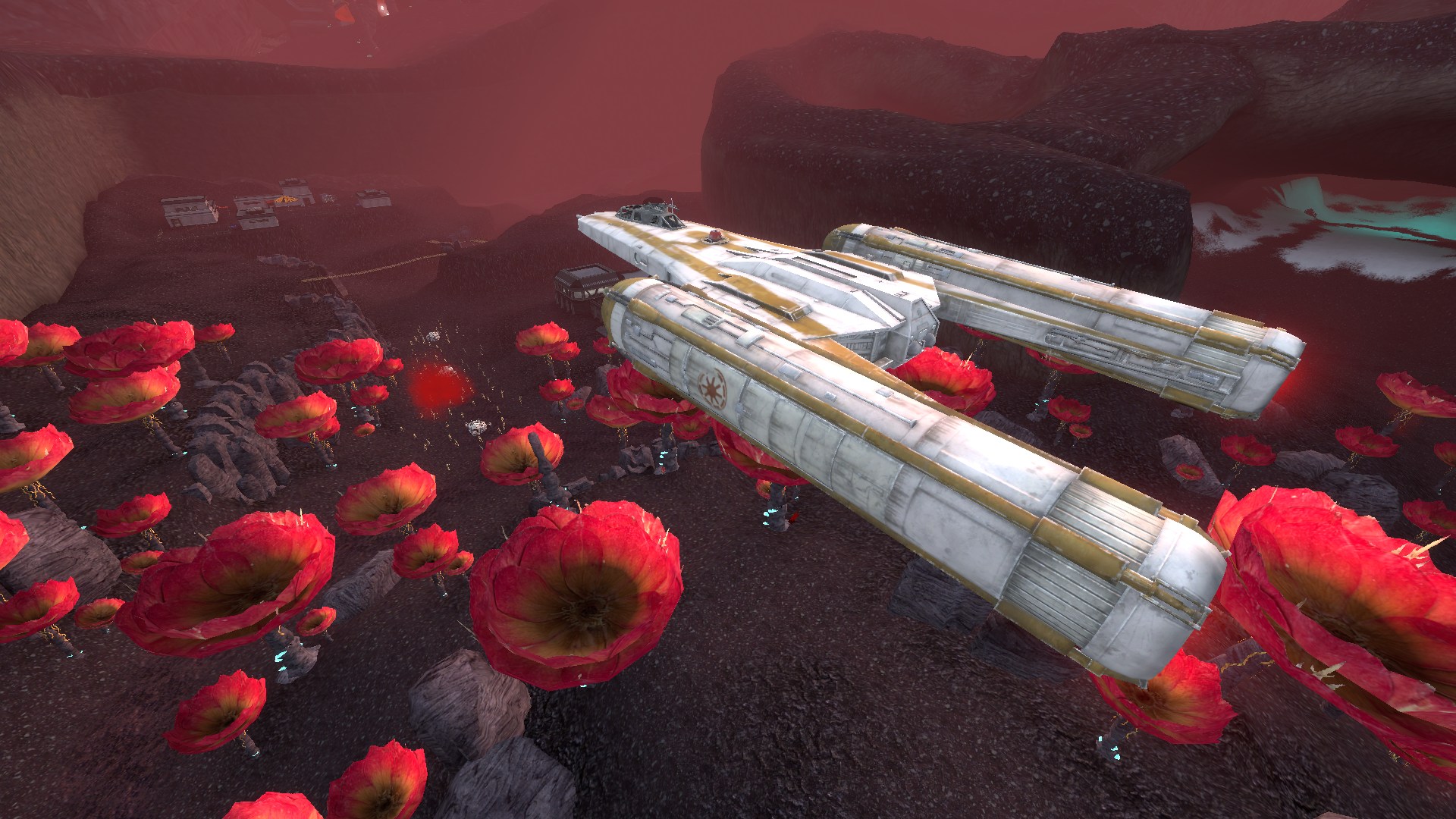
After acquiring a visual on the target, conduct a final check of the area. Ensure there are no friendlies (blue) within the splash zone and confirm there are no other factors that would require the CAS Run to be aborted.
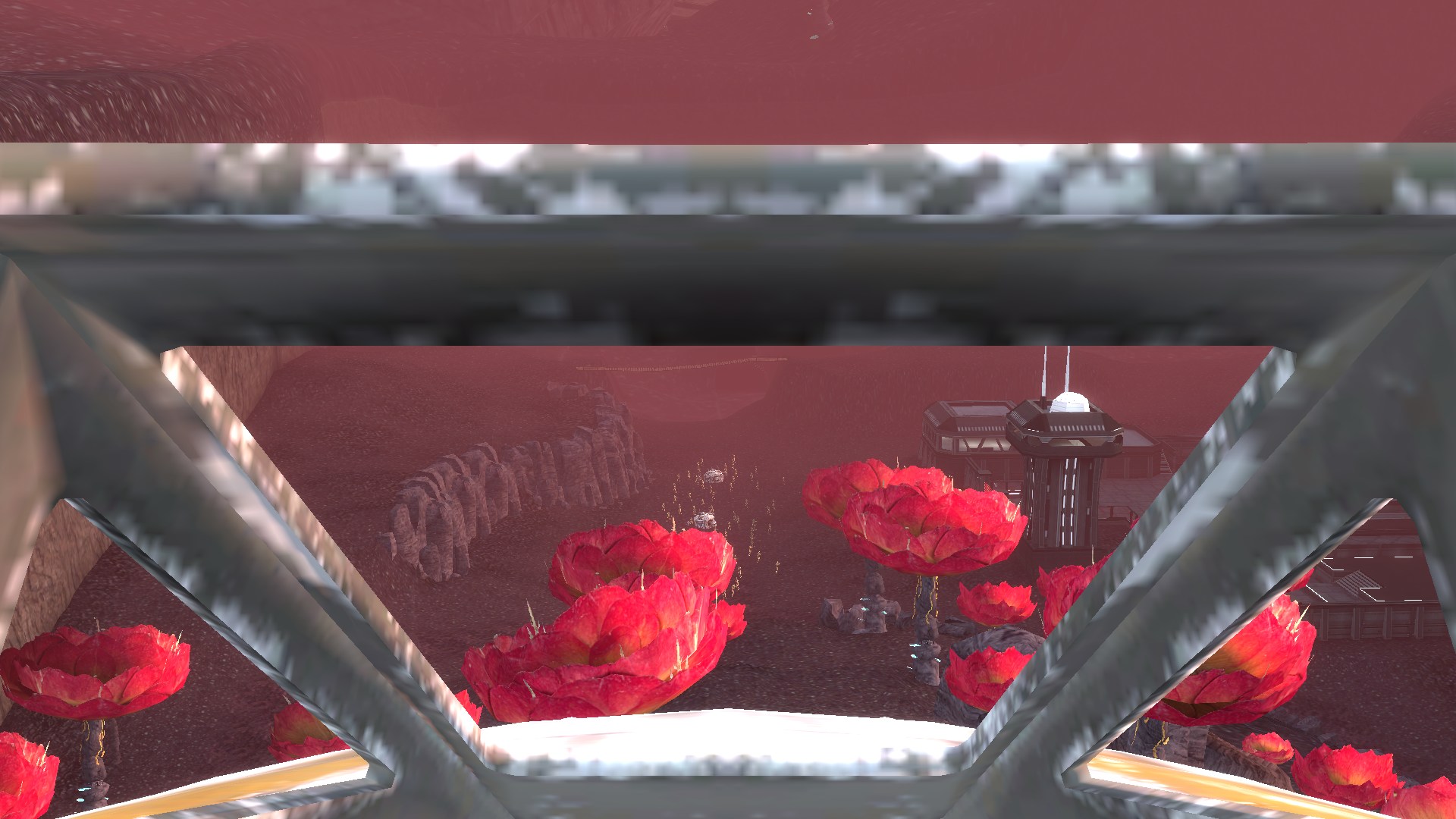
If everything is confirmed safe and correct, proceed to deliver the payload. To improve accuracy with the WSDB, hold the trigger to display the deployment line and impact circle, indicating where the bomb will land. Keep in mind this will change depending on speed, pitch, and direction.
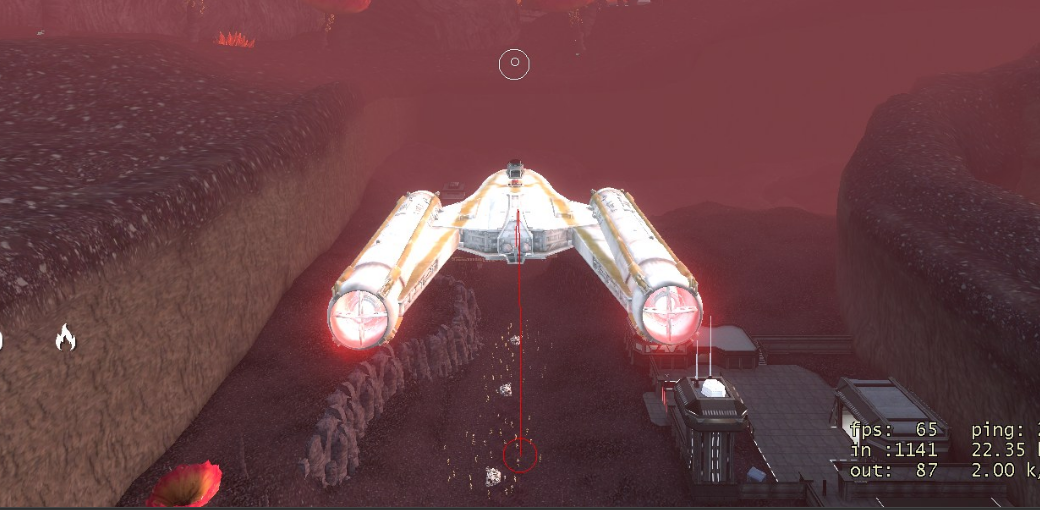
Once the payload has impacted, communicate over the radio that the CAS Run has been completed. Do not carry out another run unless explicitly requested. You may remain in the same vehicle in case a follow-up CAS Run is needed, unless hostile aircraft enter the area and pose a threat.
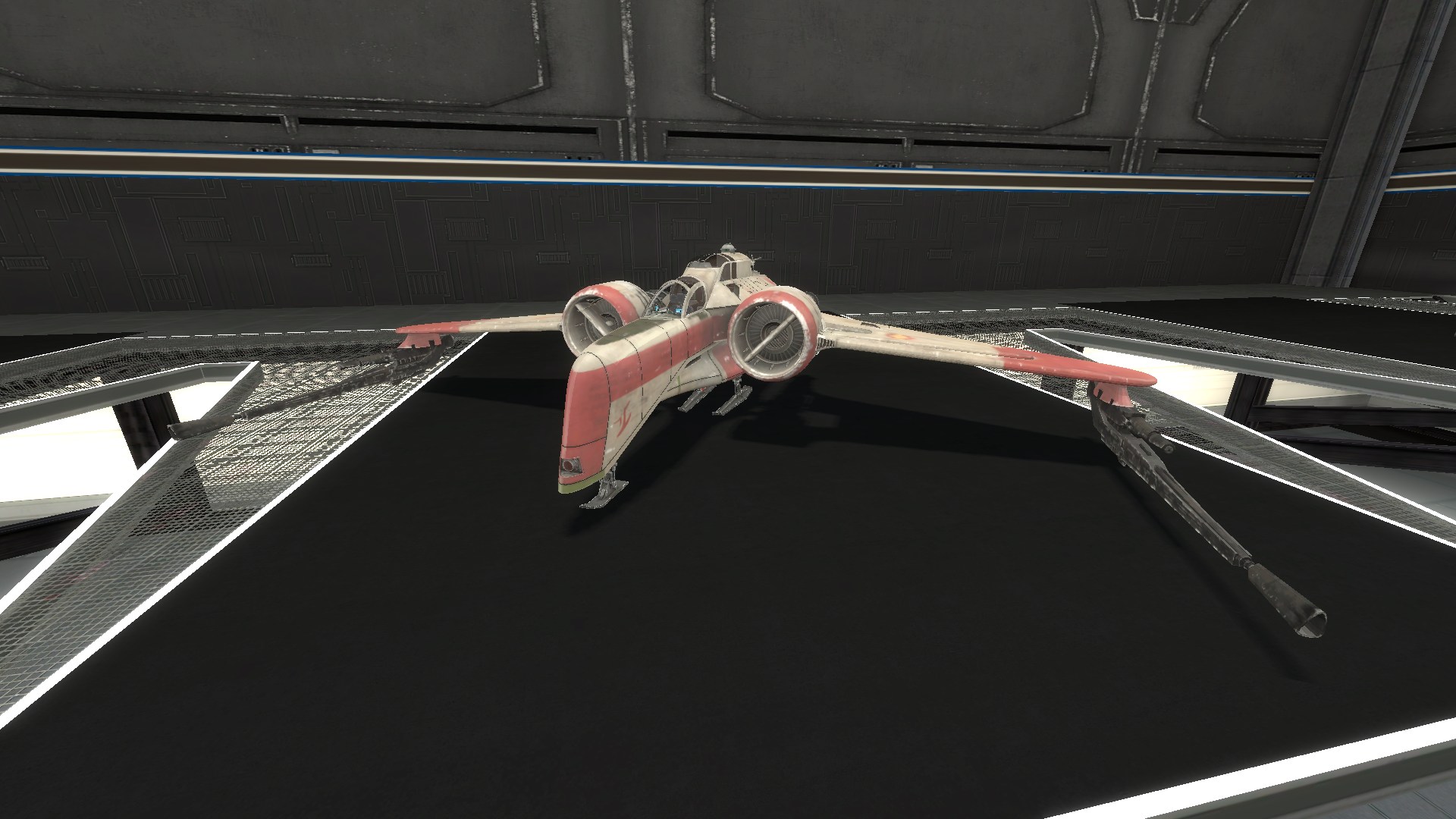
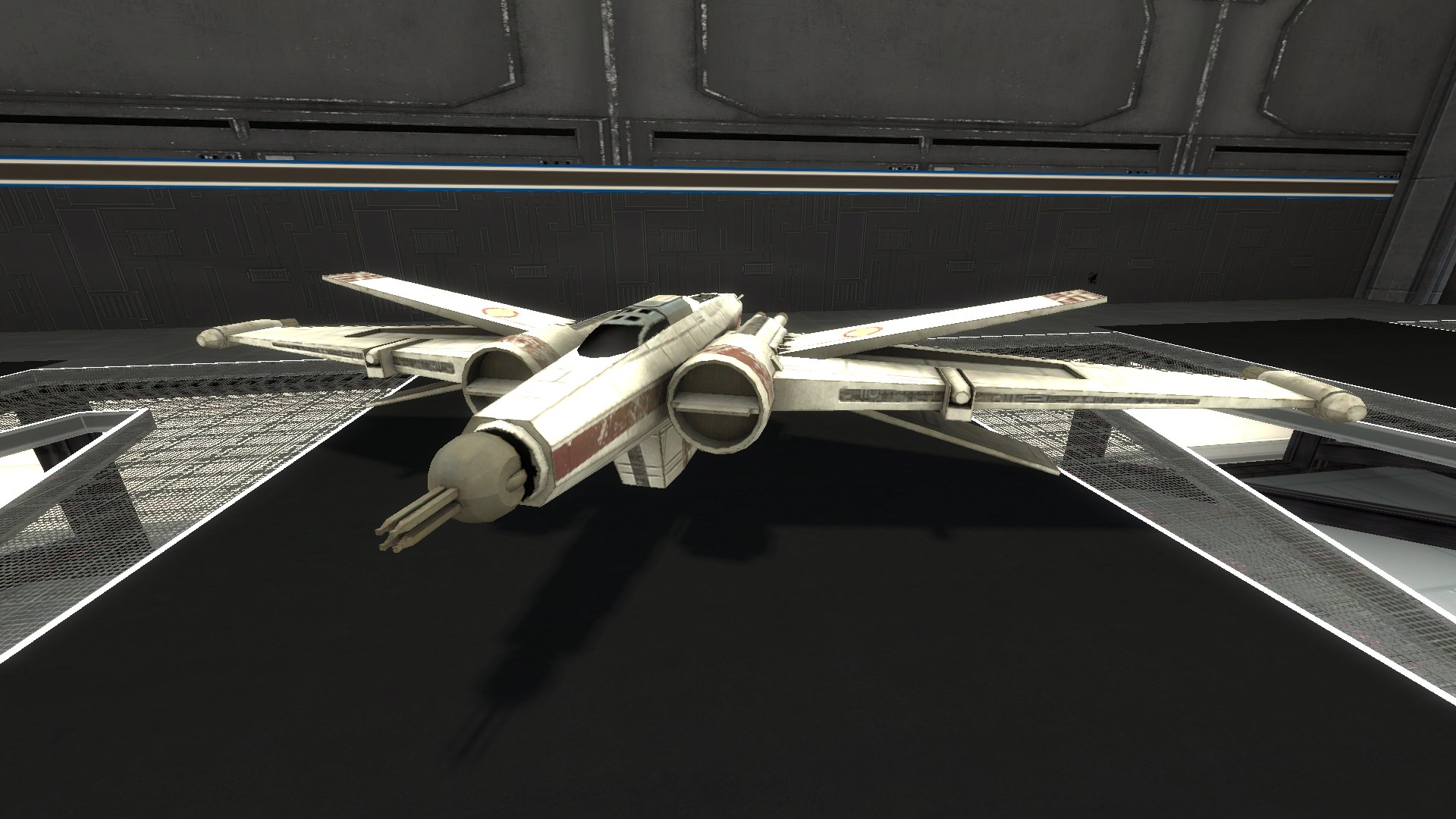
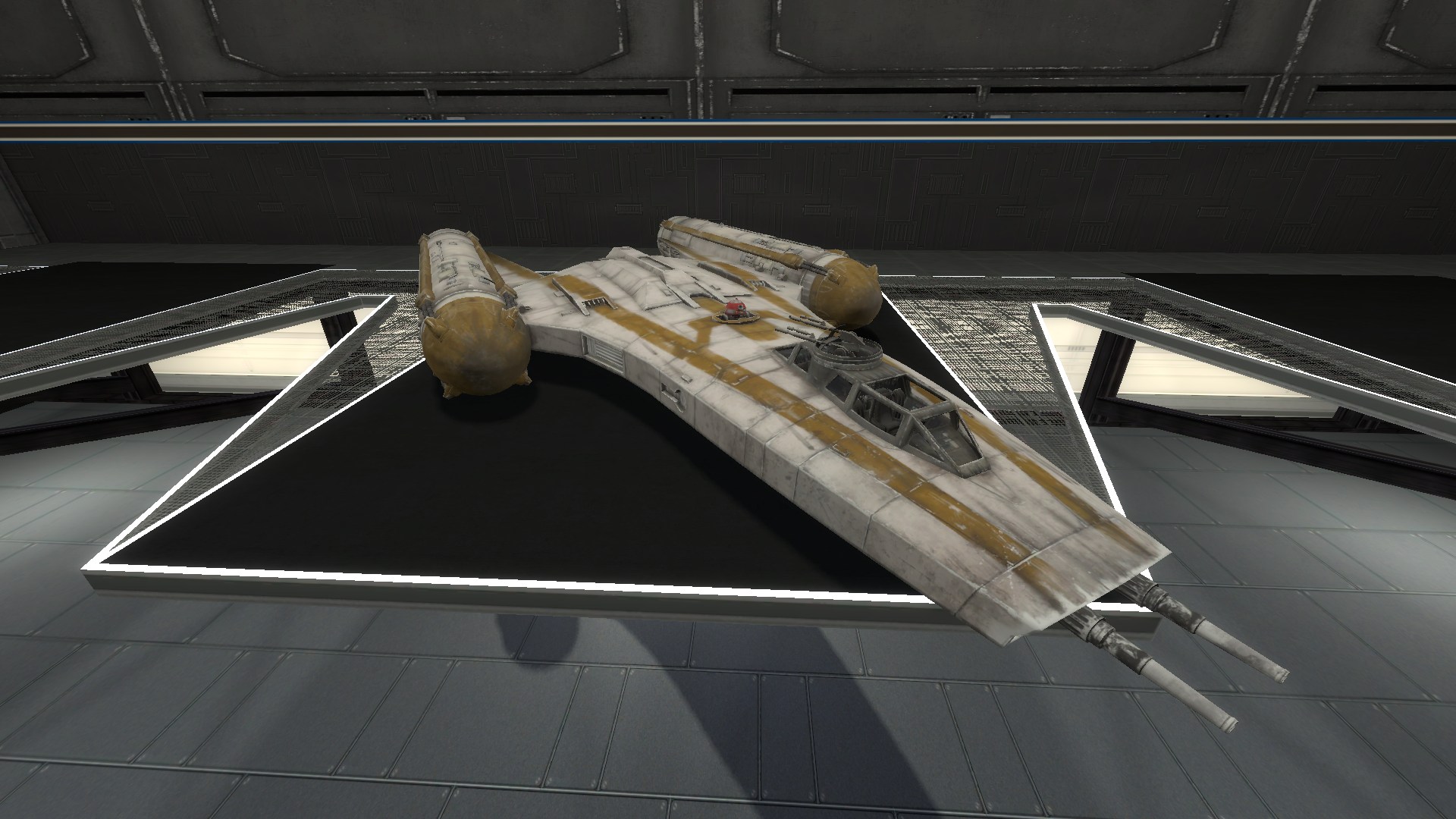
ARC-170 Gen IIIT-51 StrikefighterY-Wing
|
Classification
Fighter
Specifications
Top speed is 200 - 340 units/second
Total mass of 19,000
70% performance rating
Carries 3 crew members
1 Pilot, 1 Co-Piolt, 1 Rear Gunnger
Armaments
Light Cannons
Voltic Cannon
Zephyr Torpedoes
Wraith Small Diameter Bomb
Rank Requierments
Heavy Pilot & Master Sergeant
|
|
Classification
Air to Ground Support
Specifications
Top speed is 170 - 270 units/second
Total mass of 25,000
55% performance rating
Carries only 1 Pilot
Armaments
Heavy Repeater
Zephyr Torpedo
Wraith Small Diameter Bomb
Rank Requierments
Heavy Pilot & Sergeant
|
|
Classification
Air to Ground Support
Specifications
Top speed is 140 - 230 units/second
Total mass of 80,000
40% performance rating
Carries 1 Pilot & 1 Gunner
Armaments
Heavy Repeater
Hurricane Rockets
Wraith Small Diameter Bomb
Rank Requierments
Heavy Pilot & Sergeant
|
- CAS - Close Air Support
- Blue - Friendlies/Non-combactents
- SEAD/DEAD - Suppression/Destruction of Enemy Air Defenses
- FLOT - Forward Line of Own Troops (Frontline)
- Defensive - A pattern of flying actions that disallows firing upon the enemy in order to survive fire
- Freq - Frequency
- SR - Short range (radio - e.g. AN/PRC-152)
- LR - Long Range (radio - Intercommunicator Pack, AN/PRC-117F)
- Freq - Frequency
- Tac - a “.” - “501.1” would read “five-oh-one-TAC-one”
- BP - Battle Point - a safe area in which Rotary aircraft stage and await tasking/perform reconnaissance
- IP - Ingress Point - an area in which Fixed-wing Aircraft remain (typically an orbit) and perform recon/await tasking
- EP - Egress point - a designated area in which aircraft will exit an operational area to control traffic flow in combat
- AP - Attack Point - A line or area in which aircraft engage targets freely in order to deny/control movement through an area
- Cleared Hot - a phrase meaning that the pilot has been given permission to engage a certain target or all targets within an area
- Bomber - an aircraft that is designed to deliver payloads (typically bombs) against static targets or areas from high altitudes or long distances
- Striker - an aircraft designed to destroy specific targets to minimize collateral damage and maximize probability of target destruction
- Sunset - all air assets are no longer in the Area of Operations
- AO - Area of Operations
- FEBA - Forward Edge of Battle Area
|
